
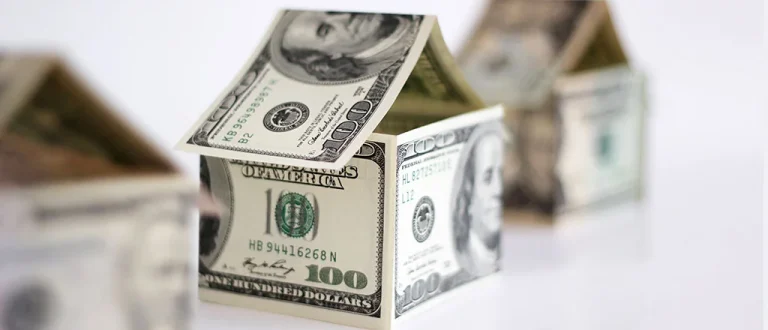
An analysis of how interest rates affect the American real estate market is a complex subject decorated with the overall economy. Knowing how these rates can impact the value of properties can be very useful for both the buyer and the seller.
Interest rates are the single biggest factor that affects the affordability of a home mortgage. Higher interests cause higher monthly payments and this may limit the purchasing power of the buyers. On the other hand lower rates are usually favorable as they reduce the cost of borrowing thus increasing the demand for homes. Below are the several aspects of this relationship that can be discussed in detail.
The role of interest rates in mortgage affordability

In cases where borrowing costs vary, so does the real estate market. For example, when the Federal Reserve of the United States changes the benchmark rate, it may affect the mortgage rates. It is common to note that low borrowing rates tend to reduce the cost of mortgages and hence enable people to own homes. This increased need may cause the price of properties to increase.
On the same note, when the interest rates rise, the amount of money that is required to finance a home also rises. Mortgage payments are made on monthly basis, and as the prices of property and real estates rise, the amount that buyers are willing and or able to pay also increases.
The effect on first-time homebuyers
First time home buyers are usually very responsive to changes in the cost of borrowing. These potential homeowners are usually financially constraint and are likely to be affected by changes in monthly payments. When the interest rates are low, these buyers can easily get into the market and this boosts the demand for houses especially the starter homes.
But with interest rates on the rise, first time buyers may be pushed out of the market. Higher monthly payments can be a problem when trying to satisfy the imposed financial conditions and, therefore, their possibility of getting a mortgage is diminished. This reduction in bidding may result into stable or even decreasing prices at the lower end of the market.
Luxury real estate and interest rates
While the market for entry-level homes is more closely associated with borrowing costs, high-end homes are not as affected by it. Affluent consumers can go for the purchases independently of the rates, and they can use cash to pay for most of the deals. Therefore, the impact of interest rates on this segment is sometimes negligible.
But this does not mean that rising borrowing costs will not have an impact in one way or the other. Stepping stones to this include the realities of higher initial capital outlay for investors seeking to fund luxury real estate projects, which may cause a change in the project’s feasibility and timeline.
Long-term market trends
The implication of interest rates in the long-run is far reaching and therefore has the following effects. Stable and relatively low borrowing costs may cause inflation and even lead to the price rise for the goods and services over a certain period. Such circumstances may lead to the formation of market bubbles which is not healthy for the economy if not controlled by legal measures.
The history indicates that changes in borrowing costs have always come before large market adjustments. This way, the stakeholders can be able to identify these trends and plan for the changes in their strategies. These periodic adjustments affect real estate cycles in some way hence it is important for the market players to be aware of them.
Predicting future trends
Revealing tendencies in the future changes of borrowing costs requires monitoring of the economic indices and the policy. People also take keen interest in the Federal Reserve’s moves because the actions that it takes are very relevant in predicting the changes that may be forthcoming in the mortgage rates.
Real estate forecasts and economic models are useful in providing estimates, but they are by no means perfect. Spontaneous changes that can occur include political risks or natural disasters, for instance. Hence, it can be stated that predictions help in planning, but the aspect of flexibility should not be undermined.
Strategies for buyers and sellers
Mortgage rates are a form of borrowing cost for buyers; it is more economical for them to secure a mortgage rate especially when they are relatively low to minimize their costs in the long run. Also, buyers should try to be very credit-worthy to be able to avail the best rates in the market.
While buyers require information to aid them in their decision making regarding the time to hit the market in search of a property, sellers also require the same information regarding the time to place their property on the market. In high rate environment, they can provide incentives like concession or financing options and this make their homes more attractive.