
Establishing and maintaining a robust credit history and score is of utmost importance for overall financial well-being. Your credit history and score are pivotal factors that influence your borrowing capabilities, the interest rates you’re offered, and even impact certain life opportunities.
In this comprehensive guide, we will delve into five straightforward steps designed to assist you in not only establishing but also cultivating good credit habits that contribute to boosting your credit score.
Understand Credit Scores and Reports:

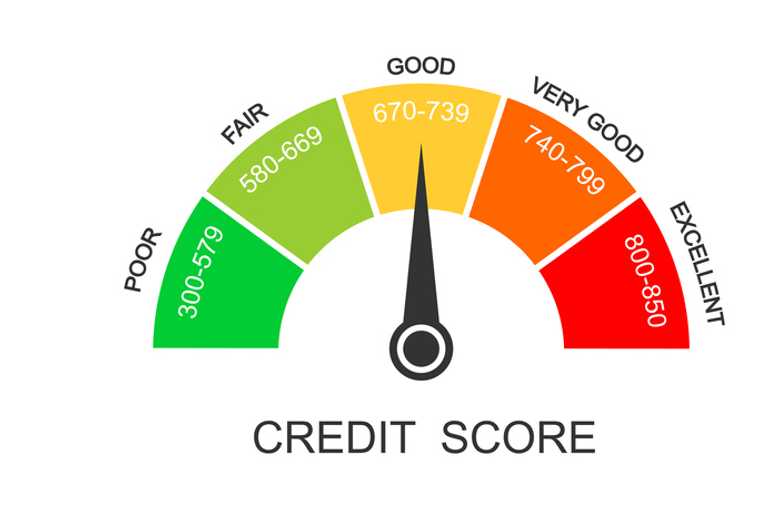
Your credit score, typically provided by companies such as FICO, serves as a numerical indicator of your creditworthiness, spanning a range from 300 to 850. This score is derived from information found in credit reports, which are compiled by major credit bureaus like Equifax, Experian, and TransUnion.
Acquiring a comprehensive understanding of the factors that impact your credit score marks the initial step in the process of establishing and maintaining a positive credit history. This knowledge empowers you to make informed decisions and implement effective strategies to enhance your creditworthiness over time.
Timely Bill Payments:
Ensuring timely payment of your bills holds paramount importance in shaping your credit score. Late payments, particularly those occurring recently, can exert adverse effects on your credit rating.
Cultivate robust payment habits by consistently settling at least the minimum amounts due on your credit cards promptly. By adhering to this practice, you contribute positively to your credit history, bolstering your overall creditworthiness.
To fortify your credit-building efforts, contemplate establishing automated payments or utilizing reminders to guarantee meticulous adherence to due dates. This proactive approach enhances your financial discipline, minimizing the risk of missed payments and contributing positively to your credit history.
Manage Debt Wisely:
In the evaluation of your FICO score, both the total amount of money owed and your credit utilization rate play crucial roles. Specifically for revolving credit accounts, such as credit cards, it is prudent to maintain a credit utilization rate below 30 percent.
By managing your credit balances within this recommended threshold, you contribute positively to your credit score, demonstrating responsible credit utilization and enhancing your overall creditworthiness.
Crafting a comprehensive strategy to reduce credit card debt is a pivotal step in financial management. Utilize budgeting tools to conduct a thorough analysis of your spending patterns, identifying potential areas for savings.
By formulating a targeted plan to address credit card balances, you not only optimize your debt repayment approach but also enhance your overall financial well-being. Implementing such strategic measures fosters a proactive stance towards debt reduction, aligning with your broader financial goals and aspirations.
Strategic Account Management:
Exercise prudence when initiating or concluding credit accounts. It’s important to note that each credit inquiry leaves an impact on your credit report, and an excess of inquiries within a brief timeframe could potentially raise concerns.
To maintain a stable credit profile, be mindful of the frequency with which you open or close credit accounts, ensuring a strategic approach that aligns with your overall credit management goals.
Think twice before closing credit card accounts, as it can impact your credit utilization rate and the length of your credit history, factors that influence your credit score.
Patience and Persistence:
Enhancing your credit score is a gradual and ongoing process. The key lies in consistently making on-time payments and responsibly managing your debts.
It’s essential to understand that positive financial habits cultivated over time are the most effective means to improve and sustain a good credit score, contributing to your overall financial well-being.
Conclusion:
Establishing and sustaining a robust credit history is a fundamental pillar of financial success. Gain a comprehensive understanding of the factors that shape your credit score and implement the five steps elucidated in this guide to exert control over your credit journey. By doing so, you pave the way for a more secure and prosperous financial future.
Consistently monitoring your credit reports and making well-informed financial decisions are essential practices that will guide you toward cultivating a robust and resilient credit profile.
By staying vigilant and proactive, you empower yourself to navigate the intricacies of credit with confidence, contributing to your long-term financial well-being.