
Planning your financial future is a crucial step in ensuring long-term stability and prosperity. By implementing effective personal savings strategies in the USA, you can build a solid financial foundation to support your goals and aspirations.
Whether you’re saving for retirement, education, or an emergency fund, developing a comprehensive plan tailored to your needs is essential. Financial planning involves assessing your current financial situation, setting realistic objectives, and establishing a savings plan that aligns with your income and lifestyle.
While it may seem daunting, there are numerous strategies and tools available to help you navigate the complexities of personal finance.
Understanding Your Financial Goals

One of the first steps in planning your financial future is identifying your objectives. Whether it’s buying a house, funding your children’s education, or ensuring a comfortable retirement, having clear goals will guide your savings strategy. Consider both short-term and long-term objectives, as each will require different approaches.
For short-term goals, such as a vacation or a new car, consider opening a high-yield savings account. These accounts offer higher interest rates compared to regular savings accounts, allowing your money to grow faster.
For long-term goals, like retirement, investing in mutual funds or stocks might be more appropriate. Setting specific, measurable, achievable, relevant, and time-bound (SMART) goals can further solidify your savings plan. By doing so, you can track your progress and make adjustments as necessary to stay on course.
Creating a Budget
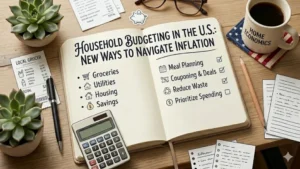
Building a budget is fundamental to successful financial planning. Start by listing all sources of income and categorizing your expenses. This will help you identify areas where you can cut back and allocate more money towards savings.
Be realistic about your spending habits and try to find a balance that allows you to enjoy life while still prioritizing your financial future. Consider using budgeting apps or tools to make the process easier and more efficient. These tools can help you track your expenses, set savings goals, and monitor your progress.
By maintaining a budget, you’ll be more aware of your financial situation and better equipped to make informed decisions. Consistent and disciplined budgeting will not only help you save money but also reduce financial stress. It provides a clear picture of where your money is going and helps you maintain control over your finances.
Emergency Funds
Unexpected expenses can derail your financial plans if you’re not prepared. That’s why building an emergency fund is a critical component of personal savings strategies in the USA. Experts recommend saving three to six months’ worth of living expenses to cover any unforeseen events, such as medical emergencies or job loss.
Start by setting a target amount for your emergency fund and work towards it gradually. Allocate a portion of your income to this fund each month, treating it as a non-negotiable expense.
Over time, your emergency fund will grow, providing you with a financial safety net. Having an emergency fund gives you peace of mind and financial security. It ensures that you won’t have to rely on credit cards or loans to cover unexpected costs, preventing you from falling into debt.
Investment Strategies
Investing is a powerful tool for growing your wealth and achieving your financial goals. By understanding different investment options and their associated risks, you can develop a strategy that aligns with your risk tolerance and time horizon.
Stocks, bonds, mutual funds, and real estate are common investment vehicles. Each comes with its own set of risks and potential rewards. Consider working with a financial advisor to create an investment plan tailored to your specific needs and goals.
Retirement Planning
Planning for retirement is a long-term process that requires careful consideration and consistent effort. Start by estimating your retirement income needs based on your desired lifestyle and anticipated expenses. Factor in sources of retirement income, such as Social Security, pensions, and personal savings.
Contribute to retirement accounts like a 401(k) or an Individual Retirement Account (IRA). These accounts offer tax benefits and can significantly boost your retirement savings over time. Take advantage of employer matching contributions if available, as they provide “free” money towards your retirement.
Education Funds
If you have children, saving for their education is likely a priority. The cost of college education continues to rise, making it essential to start saving early. Consider opening a 529 college savings plan, which offers tax advantages and can be used to cover a variety of education-related expenses.
Set a savings goal based on projected education costs and work towards it gradually. By planning ahead and investing in an education fund, you can provide your children with the financial resources they need to pursue their academic goals without incurring overwhelming debt.