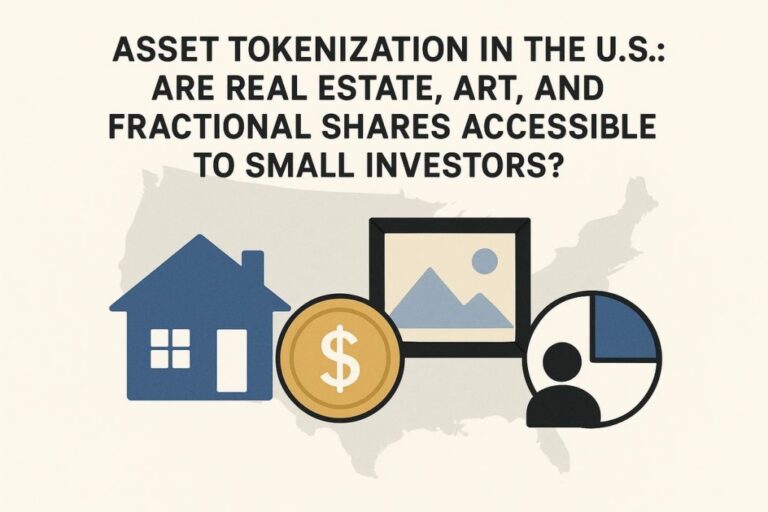
In the world of investments, innovating how assets are owned and traded is continually evolving. One such innovation is asset tokenization, a digital transformation making waves in the United States. By leveraging blockchain technology, various assets such as real estate, artworks, and stocks can be tokenized and traded like cryptocurrencies.
Democratizing access through digital tokens
Tokenization, as a concept, converts tangible assets into digital units or tokens on a blockchain. In real estate, for example, this process allows portions of a property to be owned by several investors, lowering the entry barrier that often excludes smaller investors from the market. Similarly, art enthusiasts who once found masterpieces financially inaccessible can now buy fractional shares of artworks, much like owning a slice of history.
This surge in tokenization opens new avenues for financial inclusion, particularly for individuals or entities that have been excluded from traditional investment opportunities. Now, potential stakeholders can partake in multi-million dollar properties or famous artworks that were beyond their reach. This growing trend also promises greater liquidity, allowing these tokens to be traded or sold more quickly than traditional means.
The challenges and risks of digital transformation
While the prospects of tokenization are exciting, it’s important not to overlook the inherent challenges. Regulatory frameworks are still catching up with this rapid change. Navigating the legal landscape can be complex, with varying rules about who can invest and how these digital assets are classified. Moreover, security concerns underscore the importance of robust smart contracts and trusted platforms to safeguard transactions and ownership rights.
Risks also exist in the form of market volatility and technological hurdles. Investors venturing into this tech-driven domain need to be aware of the potential for scams or fraudulent schemes. Digital asset ownership is innovative but should be approached with a well-rounded understanding of both its potential and its pitfalls. Due diligence is a must as this landscape evolves.
The future of fractional ownership
Asset tokenization promises a future where investing is increasingly democratized, but what lies ahead? New levels of transparency and efficiency can emerge as blockchain adoption grows. It can reshape markets by offering a diverse range of tokenized assets. Continued investment in blockchain technology by institutions suggests a possible prolonged trend towards digital ownership of assets.
The conclusion is that while challenges persist, the opportunity for small investors to engage with this technology is unprecedented. As regulatory frameworks mature and safeguard systems improve, the small investor stands to benefit from a broader spectrum of asset classes. This transformation makes the investment landscape more inclusive and transformative for everyone involved.
👉 Interested in the topic? You may also be interested in: How Tokenized Platforms Are Democratizing Stocks and Real Estate Assets.