
In the face of persistent inflation, Smart Budgeting has become a crucial skill for many Americans striving to manage their finances effectively in 2025. Though the economic landscape poses challenges, it also invites innovative approaches to budget management. With rising costs impacting everything from groceries to utilities, individuals are exploring creative ways to ensure their essential expenses are met without compromising their financial stability. Leveraging technology and revisiting financial priorities are significant steps in crafting resilient financial plans tailored to current economic realities.
The price surges across various sectors have forced many to rethink their expenditure strategies. To counter inflation, individuals are turning to more precise budgeting techniques. This involves tracking spending meticulously and identifying areas where savings can be made without sacrificing quality of life. With consumer prices fluctuating, maintaining a balanced budget requires both innovation and discipline from households determined to remain afloat in an unpredictable market.
Effective strategies for smart budgeting during inflation
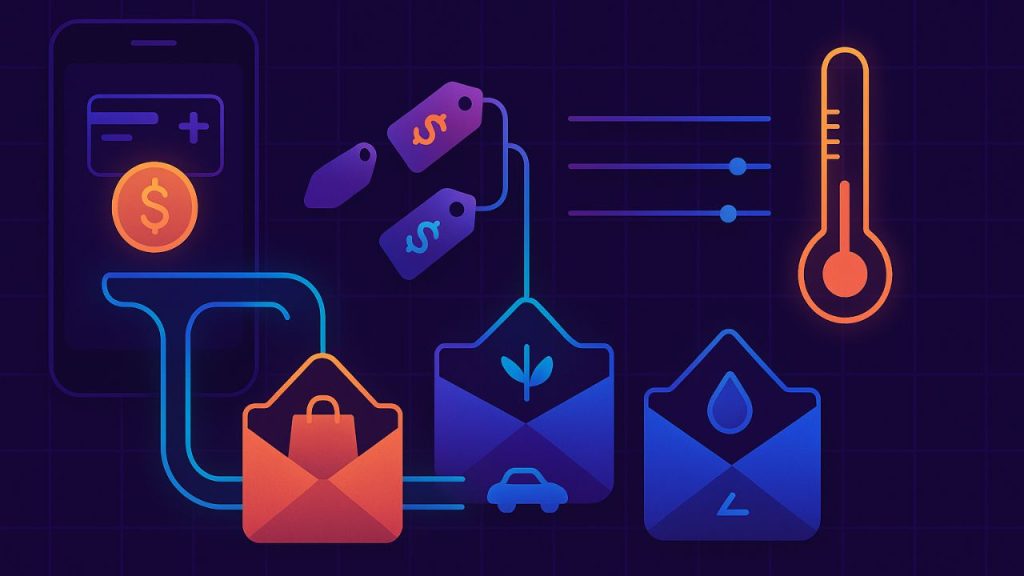
While inflation may seem overwhelming, embracing Smart Budgeting can alleviate its impact. Many are prioritizing necessities over luxuries and employing creative strategies to stretch their dollars further. This includes frequent reassessment of spending habits and leveraging tools that provide a clearer overview of finances. Adopting a conservative approach, where future expenditures are anticipated, helps in setting realistic financial goals. Additionally, being aware of economic trends aids in making informed decisions, ensuring that spending aligns with both current needs and long-term objectives.
Furthermore, technology plays an influential role in refining budget management. Financial applications offer real-time insights into spending patterns, helping identify unnecessary expenditures that had previously gone unnoticed. By closely monitoring transactions, individuals can make informed decisions that align with both their budget and lifestyle, ultimately fostering a more sustainable financial future.
Prioritization of essential expenses
A central tenet of managing expenses during inflation is the prioritization of essentials. Essential expenses, including housing, food, and healthcare, must take precedence. Allocating funds primarily to these areas ensures that the basics are covered before considering discretionary spending. This strategic focus mitigates the risk of overspending on non-essentials and fosters a disciplined financial mindset.
Americans are increasingly adopting minimalist principles, prompting a shift away from materialism. This reprioritization not only helps manage costs but also aligns spending with values and long-term goals. By concentrating on true needs, households can weather economic uncertainty more effectively.
Adapting financial planning to inflationary needs
Inflation necessitates an evolution in financial planning. Adapting budgets to incorporate fluctuating costs while still working towards savings goals requires a dynamic approach. Regularly revisiting and adjusting financial plans helps ensure they remain relevant amidst changing economic conditions. Building an emergency fund becomes more crucial as a financial safety net to address unexpected expenses without derailing financial stability.
Moreover, investing wisely becomes integral to staying ahead of inflation. Diversifying investment portfolios with a focus on assets that have historically performed well during inflationary periods can protect and potentially grow wealth. Engaging with financial advisors to tailor investment strategies to these economic changes enhances financial resilience.
Leveraging technology for better budget management
Harnessing digital tools is instrumental in smart budgeting. Apps and platforms designed for financial management simplify the tracking of income and expenses, offering features like budget setting, bill reminders, and even automated savings deposits. This technology provides transparency and ease of access to financial data, allowing for precise budget adjustments when necessary.
Utilizing these digital resources empowers individuals to make informed financial decisions autonomously. Additionally, comparing prices through technology can lead to cost savings on everyday purchases, helping to combat the everyday effects of inflation.
